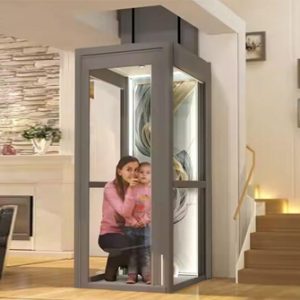

As we age, our homes—once filled with ease and familiarity—can present unexpected challenges. Stairs, in particular, become a significant barrier to comfort and safety for many seniors. For elderly individuals and their families, ensuring a safe, accessible living environment is a top priority. This is where a home elevator for the elderly becomes more than a luxury; it transforms into a vital investment in safety, independence, and quality of life.
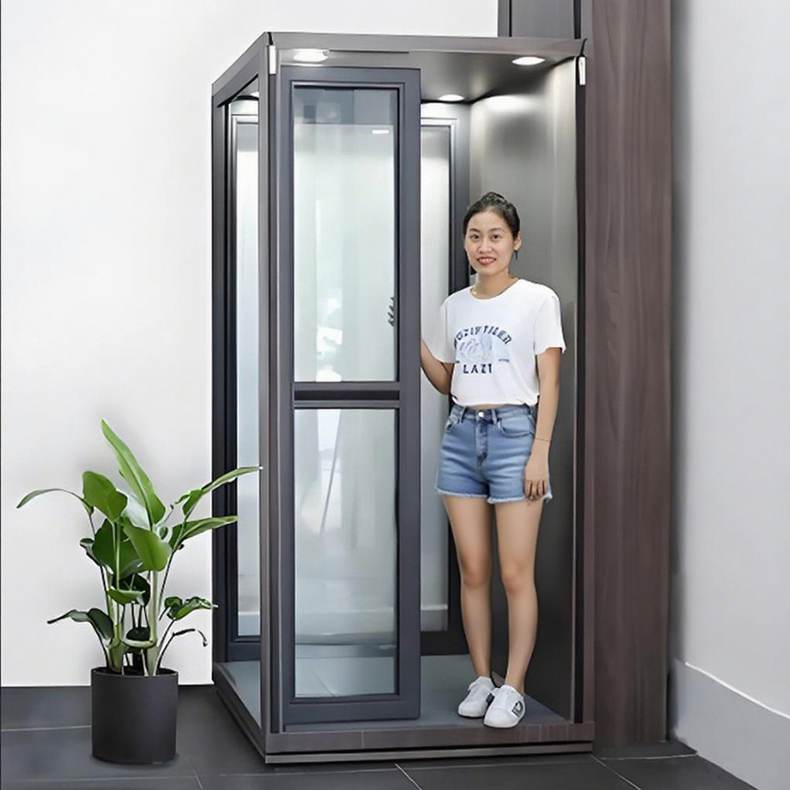
Why Consider a Home Elevator for Aging in Place?
“Aging in place” is the strong preference of most older adults—the desire to live in their own homes safely, independently, and comfortably as they age. According to AARP, nearly 90% of seniors wish to stay in their current residence. However, multi-story homes can jeopardize this goal.
Mobility issues, arthritis, balance problems, or recovery from surgery can make navigating stairs difficult, painful, and dangerous. The CDC reports that falls are the leading cause of injury and injury death among adults 65 and older, and stairs are a common hazard. A residential home elevator effectively eliminates this risk, providing a secure and effortless way to access all levels of the home.
Key Benefits of Installing a Home Elevator for Seniors
1. Unmatched Safety and Fall Prevention
The primary benefit is the drastic reduction in fall risk. Home elevators feature secure doors, smooth rides, reliable braking systems, and emergency controls. Models designed with seniors in mind often include:
-
Battery backup operation in case of power outage.
-
Telephone or emergency alert systems inside the cab.
-
Non-slip flooring and well-placed handrails.
-
Doors with safety sensors to prevent closing if an obstacle is detected.
2. Promotes Independence and Dignity
Relying on others to go up and down stairs can be frustrating and diminish one’s sense of autonomy. A home elevator allows seniors to move freely between floors to access bedrooms, bathrooms, laundry rooms, and living spaces without assistance. This freedom supports mental well-being and maintains personal dignity.
3. Enhances Overall Home Accessibility
An elevator makes the entire home usable and enjoyable. It facilitates carrying laundry, groceries, or other items between floors with ease. It also ensures that if mobility decreases in the future, the home remains fully accessible, preventing the need for a disruptive and costly move to a single-story dwelling or assisted living facility.
4. Increases Property Value
A home elevator is considered a universal design feature that appeals to a broad range of future buyers, potentially increasing your home’s market value and appeal in a competitive real estate market.
5. Provides Peace of Mind for Family Caregivers
For family members, knowing their loved one can navigate the home safely reduces anxiety and constant worry. It can also alleviate the physical strain of assisting someone on the stairs.
Types of Home Elevators Suitable for Seniors
Several types of residential elevators are available, each with different space and installation requirements:
-
Hydraulic Elevators: Known for smooth rides and ability to travel higher distances. They require a separate machine room (or a closet) and a pit beneath the hoistway.
-
Traction (Cable-Driven) Elevators: Often more energy-efficient and suitable for mid-rise travel. Modern machine-room-less (MRL) models save space.
-
Vacuum (Pneumatic) Elevators: A tube-like elevator that uses air pressure technology. They require no pit or hoistway, making installation less invasive, but have smaller cab sizes.
-
Shaftless or Modular Elevators: These are self-supporting units that can often be installed faster with less construction. They are an excellent retrofit solution.
For most elderly users, factors like cabin size (to accommodate a walker or wheelchair), door type (preferable wide opening), and ease of operation are more critical than the specific drive technology.
Important Considerations Before Installation
-
Space and Layout: Assess where the elevator will be installed. Common locations include existing stairwells, closets stacked between floors, or new additions. A professional assessment is essential.
-
Cost and Budget: The price of a home elevator varies widely ($5,000 to $30,000+ USD) based on type, travel distance, customization, and installation complexity. Consider it a long-term investment in safety.
-
Local Building Codes and Permits: Installation must comply with local regulations, including building codes and permit requirements. A reputable installer will handle this process.
-
Professional Installation: Always choose a licensed, insured, and experienced elevator company with strong references. They should conduct a thorough home evaluation and provide a clear timeline.
-
Maintenance: Regular professional servicing is crucial for safety, reliability, and longevity. Factor ongoing maintenance costs into your decision.
Finding a Reputable Provider in Your Area
When searching for a “home elevator for elderly near me,” it’s important to do thorough research.
-
Search with GEO-specific terms: Use phrases like “home elevator manufacturer [Your City/Region],” “stairlift and elevator company [State],” or “aging in place home modifications [Your Area].”
-
Read reviews and check credentials: Look for companies with high ratings on Google Business Profile, positive testimonials, and affiliations with organizations like the National Association of Home Builders (NAHB) or Elevator Escalator Safety Foundation.
-
Consult with an Occupational Therapist (OT): Many OTs specialize in home assessments and can provide invaluable advice on the best type of elevator and features for specific mobility needs.
Conclusion: An Investment in Future Well-Being
Choosing to install a home elevator for an elderly loved one is a profound decision that prioritizes safety, autonomy, and continued enjoyment of their cherished home. It removes a major physical barrier, reduces the risk of a life-altering fall, and provides immense peace of mind for the entire family.
While the initial investment is significant, the returns—measured in safety, independence, and preserved quality of life—are truly invaluable. By carefully planning, selecting the right type of elevator, and partnering with a reputable local installer, you can create a home environment that supports graceful and secure aging for years to come.
If you or a loved one are beginning to find stairs a challenge, now is the time to explore your options. Schedule consultations with local accessibility experts to take the first step toward a safer, more accessible home today.