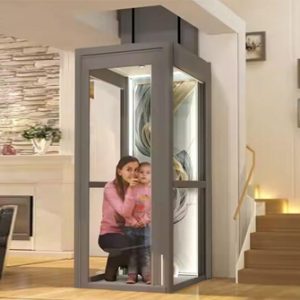

For homeowners looking to improve accessibility within their homes, hydraulic home elevator DIY kits is one of the efficient and economic solution.Hydraulic lift systems can get more smoothly and quietly operation with lower cost, and they’re easier to adapt to existing residential structures.
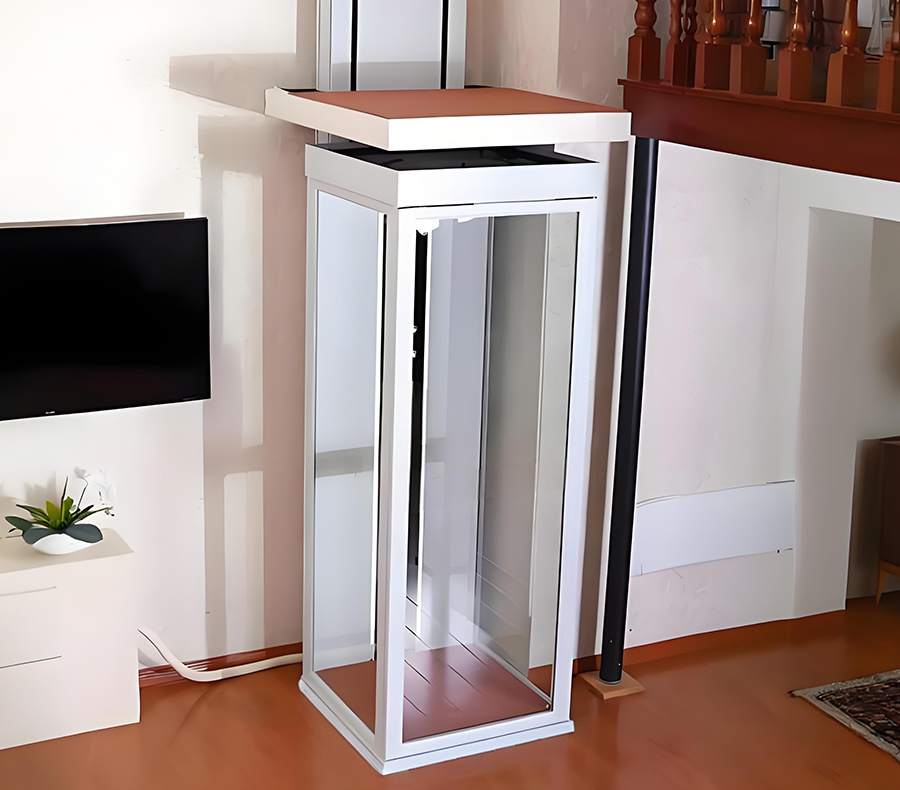
Key Points: Hydraulic DIY kits can customized footprint to suit your house available space, prices typically range from $5,000 to $8,000.
-
How do hydraulic DIY lifts work?
Hydraulic lifts operated by using fluid within a cylinder to drive a piston. A motor-driven pump forces hydraulic fluid into the cylinder to lift the cabin, whilst the descent is achieved by gravity (controlled via valves).
Mainly components of a DIY kit:
- Power unit: Includes the silent motor and pump.
- Lifting component: The cylinder and steel cable that drive the lift.
- Guides: T-Rails that keep the cabin running smoothly and stable.
- Control system: The ‘brain’ of the whole lift, responsible for managing floor limit sensor and all safety sensors.
- Cabin: The internal platform, which is usually customized size with tempered glass panel.
2.Basic Safety Features for DIY Lift Installation
When installing a homemade or kit-based home lift, safety is the most critical factor. Any reputable hydraulic home lift DIY kit must include:
- Manual lowering valve: located on the motor, the manual lowering valve can be opened to safely lower the car to ground floor.
- Battery Back-Up System: If there is a power cut while using the elevator, it can be driven to the lower level of the home and will then wait until the power comes back on to resume normal service.
- Safety pan under platform, platform will stops if any barrier under the platform.
- Safety gear for prevent the elevator dropping if safety rope breaks.
- Automatic voice fault alerts if the elevator system found any faults during operation.
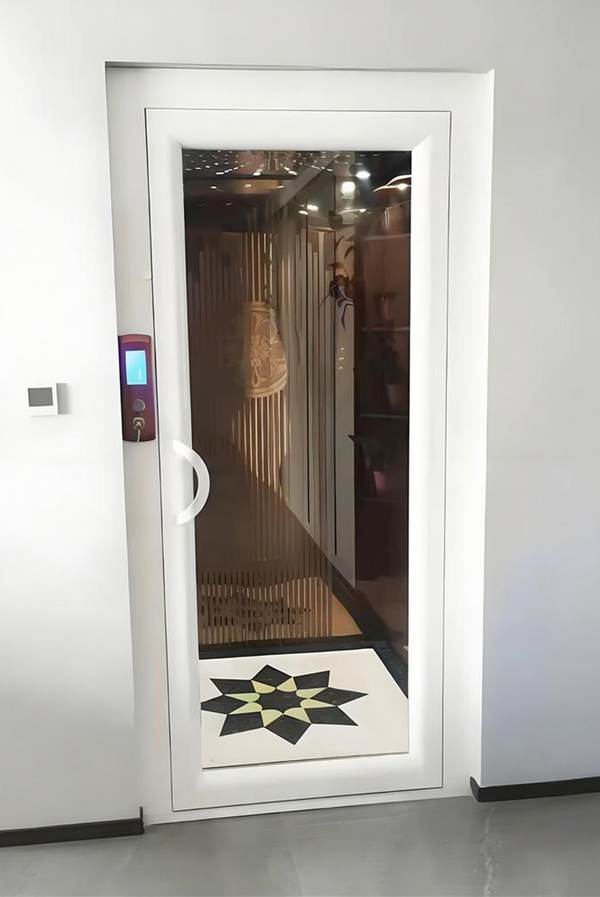
- Car door safety switch: The lift will not moves if the doors are not closed.
3.Installation Process: What You Need to Do?
Although these home lifts are sold as ‘ DIY kits’, the installation still requires basic mechanical skills. The installation process typically involves the following stages:
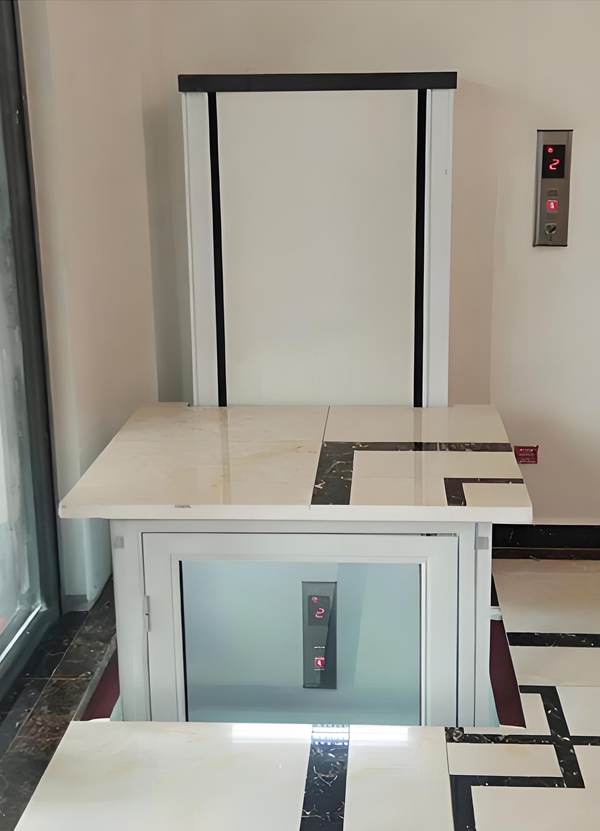
- Site preparation: You need cut an opening through the floor slab.
- Guide Rail Installation: Secure and anchored the steel guide rails to the back load-bearing walls.
- Hydraulic Piping: Connect the power unit to the hydraulic cylinder with a high-pressure hoses.
- Electrical Wiring: Insert the plugs between control system, call buttons and safety sensors.
- Cabin Assembly: Assemble the internal cabin panel and install the cabin door.
4.Frequently Asked Questions (FAQ)
- How much does a hydraulic home elevator DIY kit cost?
Basic kits typically cost $5,000–$8,000. If you need reinforce the house structural and hiring worker for installation, total budget will be around $8,000 to $10,000.
- Can I install it entirely by myself?
Mostly ‘DIY’ kits are designed to allow homeowners to participate in the installation, but it is strongly recommended that a qualified electrician handles the 220V/240V wiring and also you need ask assembly videos from the supplier.
Watch The Hydraulic Lift DIY Kits Feedback Video From Our Customer:
Final Conclusion
For those with advanced DIY skills, a hydraulic home lift DIY kit is an excellent investment. It offers a ‘professional-grade’ experience without the need to pay over $50,000 for a full commercial installation. However, never skimp on safety checks – whilst saving money is all well and good, safety is non-negotiable.
Interested in a home lift DIY kit? Contact us for a free consultation!