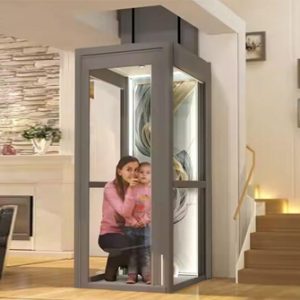

Wouldn’t it be wonderful if installing a home lift were as simple as building with your favourite childhood bricks? For decades, the word ‘lift’ has conjured up images of massive, complex construction projects, deep excavations and months of building challenges. However, the industry is undergoing a ‘modern modular revolution’.
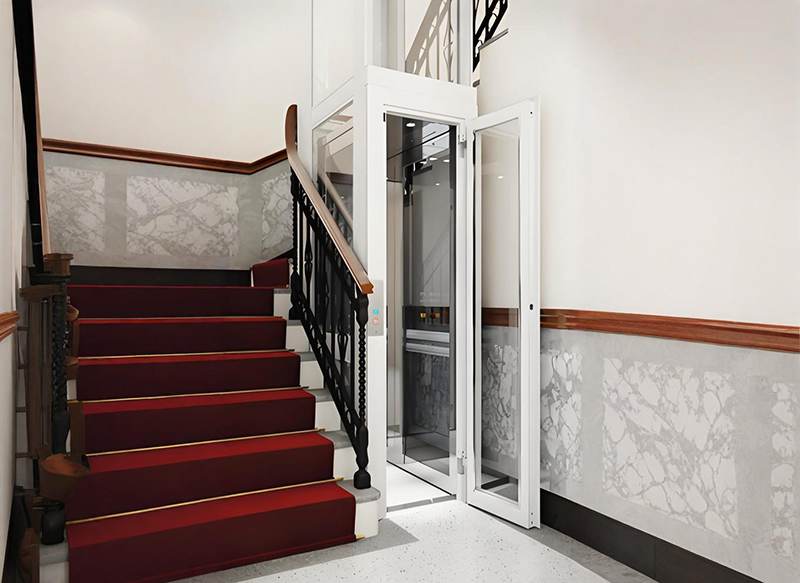
Lego-style DIY home lift technology is now fully developed—it is a more practical, economical and increasingly popular solution.
What is a Lego-style home lift?
When we talk about Lego-style lifts, we are not referring to plastic bricks. We are referring to modularity. These residential lifts are designed using prefabricated, interlocking components that are manufactured in a factory and delivered directly to your home.
Unlike traditional traction lifts, which require a dedicated machine room and a reinforced concrete shaft, modular lifts do not require an enclosed shaft. They feature a “shaftless”design, minimising the space they occupy.
Why homeowners choose modular DIY solutions?
This choice normally based on three factors: space, cost and speed of installation.
1. Minimum construction requirements
Traditional home lifts require a pit (a deep excavation in the floor) and over head headroom space(extra space at the top). In contrast, Lego-style lifts typically require a pit depth of just 4 inches, or may not require a pit at all. This makes them ideal for existing homes where excavation of the foundations is not possible.
2. High space efficiency
As the mechanical components are usually integrated within the lift rails, these lifts have an extremely small footprint. Some models occupy less than 1 square metre, allowing them to be easily installed in a stairwell or an unused cupboard.
3. Quick Installation
Installation of traditional lifts can take weeks or even months. Modular home lifts, however, are usually operational within 2 to 5 days. As components are pre-assembled and tested in the factory, the DIY aspect—typically carried out by a normal skilled homeowner under professional supervision—involves assembly rather than building from scratch.
The Construction of Modular Home Lifts
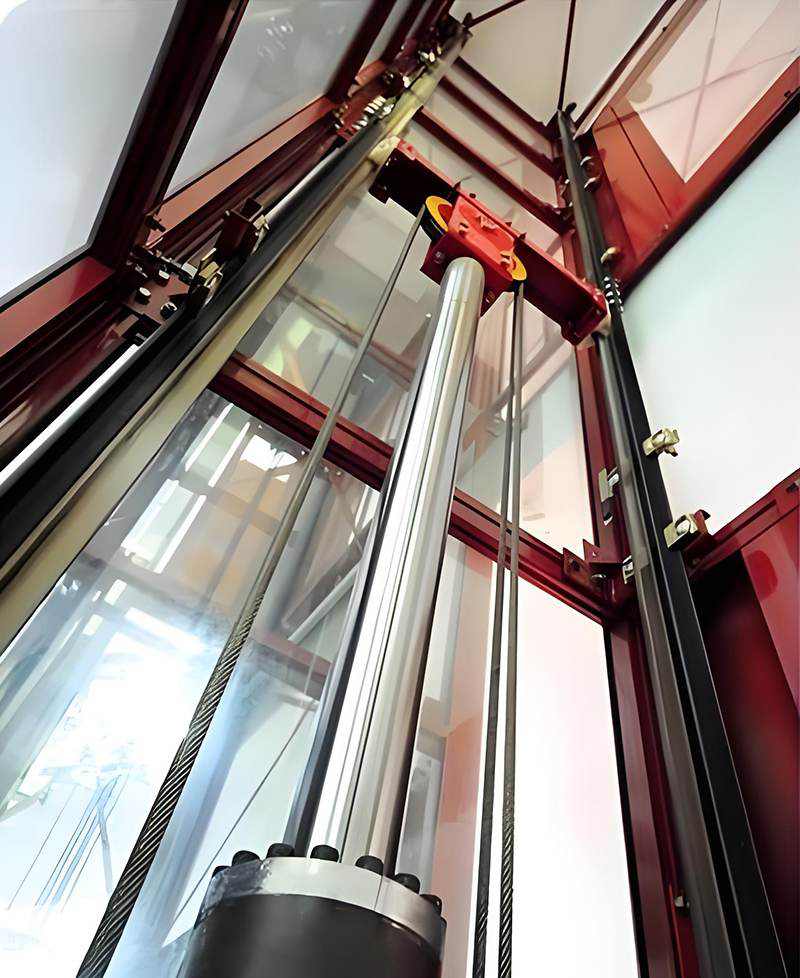
To understand why installation is so straightforward, let’s examine the core components:
- Lift rails: Comprising T75-type rails.
- Drive system: Featuring a silent hydraulic drive system.
- Control system: Utilising a highly integrated automatic control system with voice alerts for faults.
Safety First: Precautions for DIY
Although the assembly process may be as simple as building with Lego bricks, safety must meet industrial-grade standards. It is crucial to distinguish between DIY assembly and unsupervised installation.
Even the most modular home lifts must comply with international safety standards, such as EN81-41. High-quality modular lifts are equipped with the following features:
- Battery Back-Up System: If there is a power cut while using the elevator, it
can be driven to the lower level of the home and will then wait until the power
comes back on to resume normal service. - Door sensor: Platform can’t move if the door not closed.
- Safety pan under platform, platform will stops if any barrier under the platform.
- Safety gear for prevent the elevator dropping if safety rope breaks.
- Automatic voice fault alerts if the elevator system found any faults during operation.
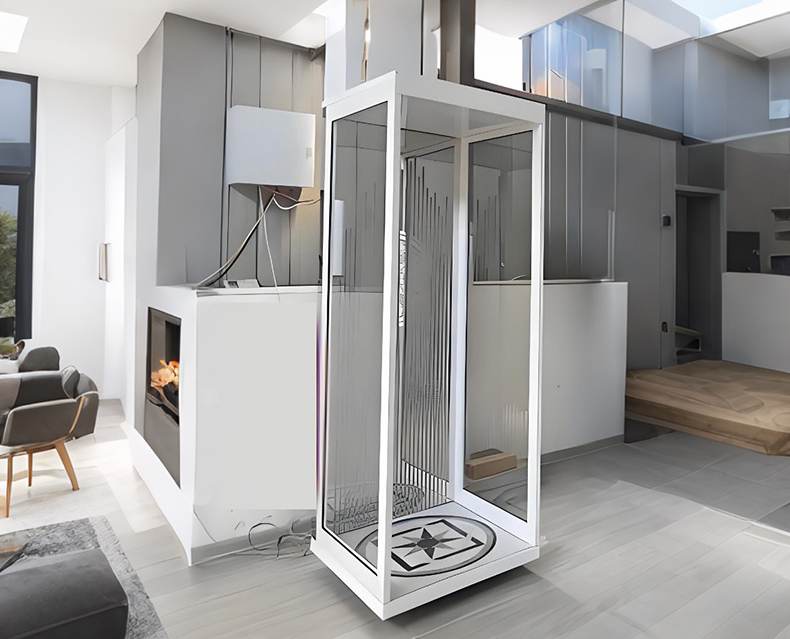
Expert advice: Whilst you may assist with the mechanical assembly, please ensure that a certified technician carries out the final safety inspection and electrical commissioning to guarantee that your warranty and home insurance remain valid.
One of the greatest advantages of the Lego-style design is customisation. Just as you can choose different colours for your bricks, these lifts offer:
- Panoramic glass: Enjoy panoramic views whilst moving between floors.
- Custom dimensions: The lift is manufactured to fit your specific space perfectly.
With the right kit, a little space and a weekend or two, you can transform the way you move around your home, one brick at a time.
Watch The Effective Home Elevator Feedback Video From Our Customer:
Interested in a DIY home lift? Contact us for a free consultation!