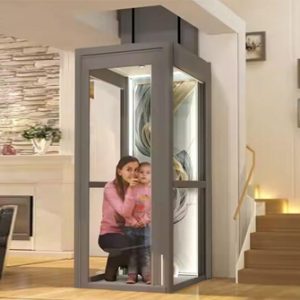

It is difficult to find a complete home elevator priced below $10,000,traditional ‘cabin-style’ lifts typically start at between $20,000 and $30,000. However, in 2026, there are several ‘home lift’ and ‘platform lift’ options available that offer the same functionality at a lower price.
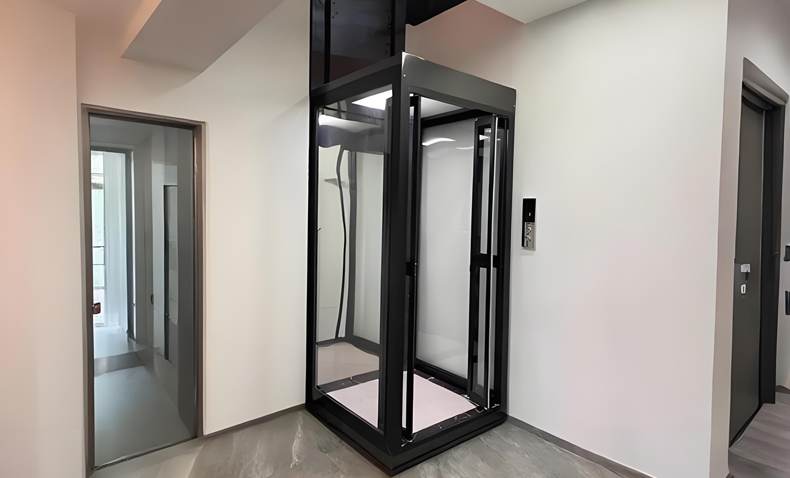
We have cost-efficient home elevator solutions that fit within a budget of under $10,000:
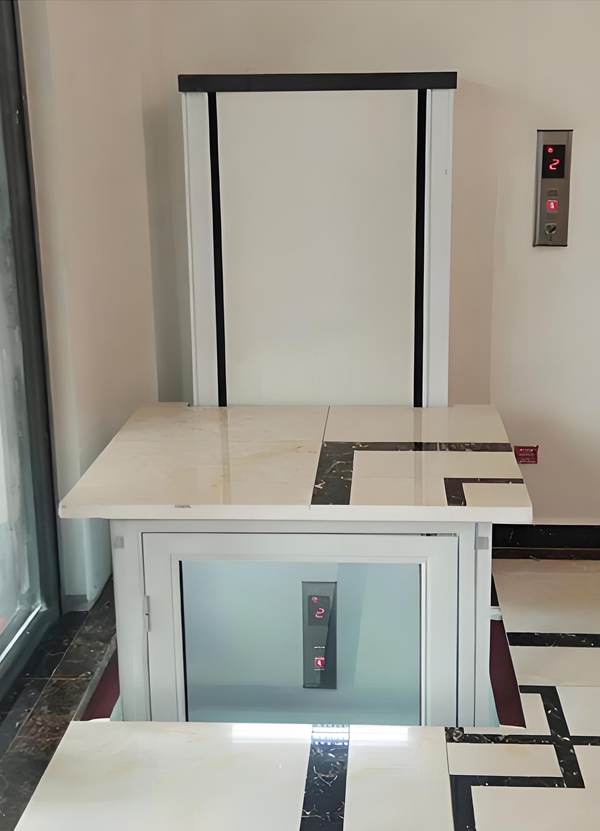
- 1. Vertical Platform Lift (VPL) – Best suited for people with reduced mobility
Commonly known as a ‘porch lift’, this is the most common type of lift in the under-$10,000 price range. They have an open-platform design, specifically engineered for wheelchair users or those with reduced mobility.
Price: $3,000–$5,000 (equipment only); $1,000–$3,000 (installation costs).
Advantages: Suitable for both indoor and outdoor use; minimal construction requirements (no excavation required).
- 2. “Through-the-floor” shaftless home elevator
Although many high-end shaftless models (such as Stiltz) cost over $15,000, there are also entry-level hydraulic or “economy” shaftless models designed specifically for two-storey access.
Price: From $5,000–$6,000 (equipment only); $2,000–$4,000 (installation costs).
Advantages: Minimal floor space required (approx. 3 ft × 4 ft); no need to construct a elevator shaft.
Disadvantages: Usually limited to 1–2 passengers or a single wheelchair; requires a ceiling opening.
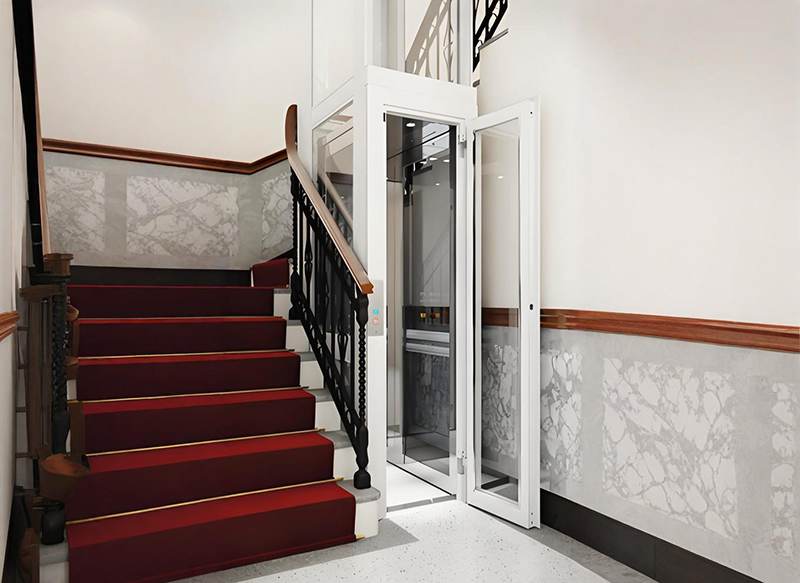
How to keep the total project cost under $10,000:
- Eliminate the ‘shaft’: Construction costs for a traditional lift shaft alone can run as high as $10,000–$20,000.
We recommend opting for an MRL (machine-room-less) or shaftless design.
2. Buy directly from the manufacturer: Companies such as Easy Lifts and Skystair sell directly to consumers, cutting out the 30–50% mark-up typically added by dealers.
3. Self-installation: Today’s consumers dislike lengthy construction periods, so some lift companies have developed modular assembly solutions or ‘Lego-style’ elevators. With professional DIY installation kits, installation can be completed in just three days.
What preparations are required to successfully install an economical home elevator?
1. Select the installation area and measure the available space. A minimum of 32 inches by 40 inches (width by depth) is required;
2. Measure the headroom at the top floor. Generally, a headroom of over 7 feet is required;
3. Load-bearing walls: If installing a shaftless panoramic lift, the lift rails must be fixed to solid brick walls. Plasterboard partitions and hollow brick walls are typically unable to bear the load directly and require reinforcement beforehand;
4. Power supply:
- Power source: Domestic lifts typically use a 220V single-phase supply (domestic voltage), but require a dedicated circuit; it is strictly prohibited to share this with lighting or sockets.
- Power: Economy-class lifts typically have a power rating of around 2kW. It is recommended to reserve a dedicated 14A or 16A circuit breaker in the distribution board.
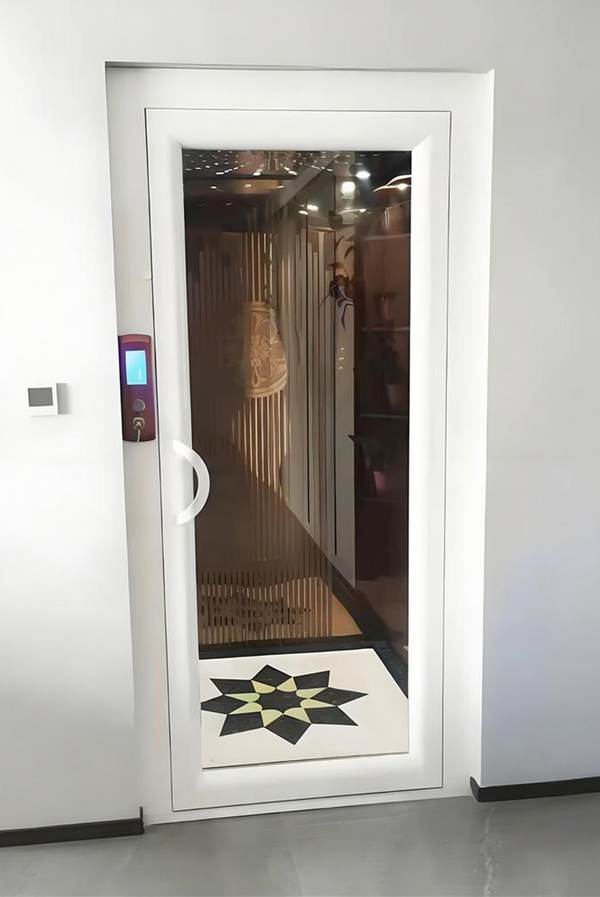
No matter which elevator you select, it must be have basic safety features as following:
- Battery Back-Up System: If there is a power cut while using the elevator, it
can be driven to the lower level of the home and will then wait until the power
comes back on to resume normal service. - Door sensor: Platform can’t move if the door not closed.
- Safety pan under platform, platform will stops if any barrier under the platform.
- Safety gear for prevent the elevator dropping if safety rope breaks.
- Automatic voice fault alerts if the elevator system found any faults during operation.
Watch The Effective Home Elevator Feedback Video From Our Customer:
Interested install a cost efficient home elevator? Contact us for a free consultation!