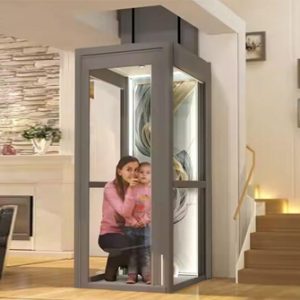

Are you considering retrofit a home elevator into your 2 or 3 floor house? Are you facing challenges with limited space and a tight budget? We can provide you an affordable home elevator solution under $10,000.
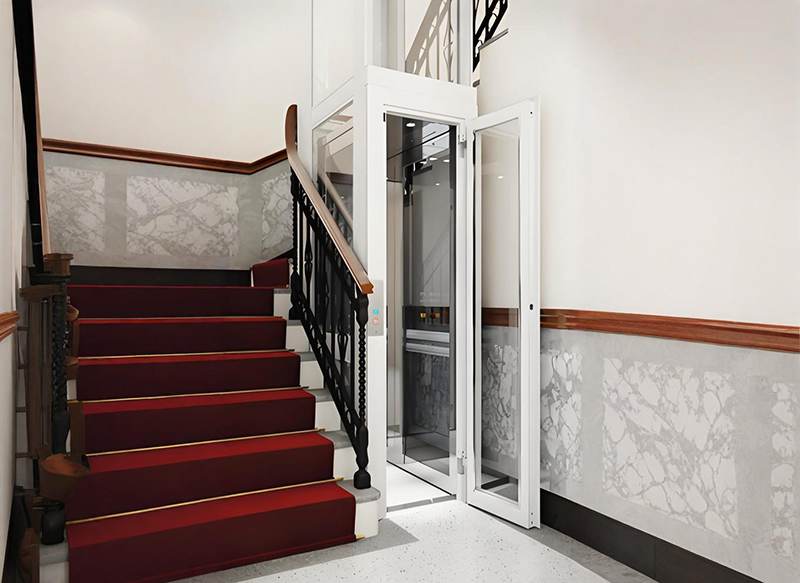
Installing an affordable home elevator in an existing U.S. home is no longer a challenge. In this guide, we’ll break down the costs, the best types of affordable elevators for retrofitting, and how to get started.
Why Install a Home Elevator?
Installing an elevator offers three significant benefits:
- Aging in Place: According to data from the American Association of Retired Persons (AARP), nearly 90% of seniors hope to continue living in their current homes as they older. An elevator enhances theirmobilityin multi-story homes.
- HouseValue Increased : A home elevator can boost your home’s resale value and get more focus on potential future buyers.
- Safety First: It eliminates the falling risksonstairs, which are one of the leading causes of injury among older adults in the U.S.
Which home elevator is best suitable for renovation projects?
Traditional traction elevators require digging a deep pit at the bottom and need a separate machine room, making renovations extremely expensive.
Consider this cost-effective, renovation-friendly option:
Shaftless Home Elevator (Through-the-Floor Home Elevator)
How it works: A compact cabin moves up and down through an opening in the ceiling or floor using a simple guide rail system.
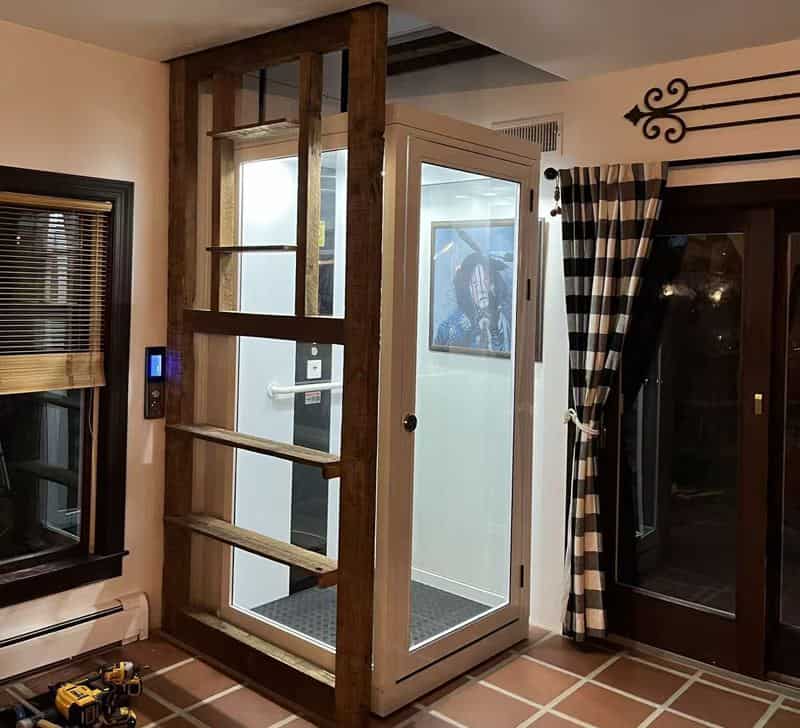
Watch A Shaftless Home Elevator Feedback Video From Our Customer:
Why It’s Ideal for Renovation & Retrofiting Projects:
- Smallest footprint (perfect for installation in a closet corner or at the end of a hallway) and operates only between two or three floors. Minimum install space just need 31.5x 39 inches. When the car is on the upper level, the floor space below remains completely clear.
- Less construction work: no need to dig a pit or build a separate machine room; only a ceiling opening is required.
- Quick Installation, just need2–3 days to complete.
- Low Energy consumption; the system operates at a maximum current of approximately 14 amps, which can be powered by a standard household outlet. No need to purchase expensive commercial-grade circuit breakers.
- Lower budget cost; the minimal construction work and rapid installation time significantly reduce labor costs for the renovation.
Cost Breakdown:
When budgeting for a home elevator installation in the U.S., you need to consider two main costs: equipment costs and labor/installation costs.
| Elevator Type | Estimated Equipment Cost | Installation & Retrofit Cost | Total Average Project Cost |
| Shaftless / Through-the-Floor | $5,000 – $10,000 | $2,000 – $5,000 | $10,000 – $15,000 |
Key Considerations Before Purchasing
Before signing a contract with a supplier, please ensure you have confirmed the following:
- Installation Space: Determine a location for the elevator, measure the available installation space, and confirm with the supplier if thatspace meets installation requirements.
- Measure the available headroom on the top floor; if the top floor has a sloped ceiling, pay special attention to these measurements.
- Load-bearing and structural considerations: Identify the location of the building’s load-bearing walls.
- Power requirements: Most budget-friendly elevators can operate bystandard 220V household power. You’ll need tocheck with electrician whether your electrical panel can handle the load and if separate wiring is required.
- Maintenance Costs: Please factor in annual maintenance inspections (typically $200–$500) into your budget to keep the warranty valid and ensure long-term safety.
Interest in an affordable home elevator below $10,000? Contact us for a details quote.