

What is the Smallest Home Elevator? — Space, Codes, and Real Options
If you’re remodeling, aging in place, or trying to add vertical access in a tight footprint, the question “what is the smallest home elevator?” matters. Short answer: specialized single-person pneumatic (vacuum) lifts and some “through-floor” lifts offer the smallest real footprints — some models fit into a cylinder under 30–32 inches (≈75–80 cm) in diameter or a shallow through-floor cutout. But minimum legal and safety dimensions vary by code, model, and how you plan to use the elevator (wheelchair vs. single person). Below I summarize the smallest practical options, relevant code constraints, and links to authoritative sources.
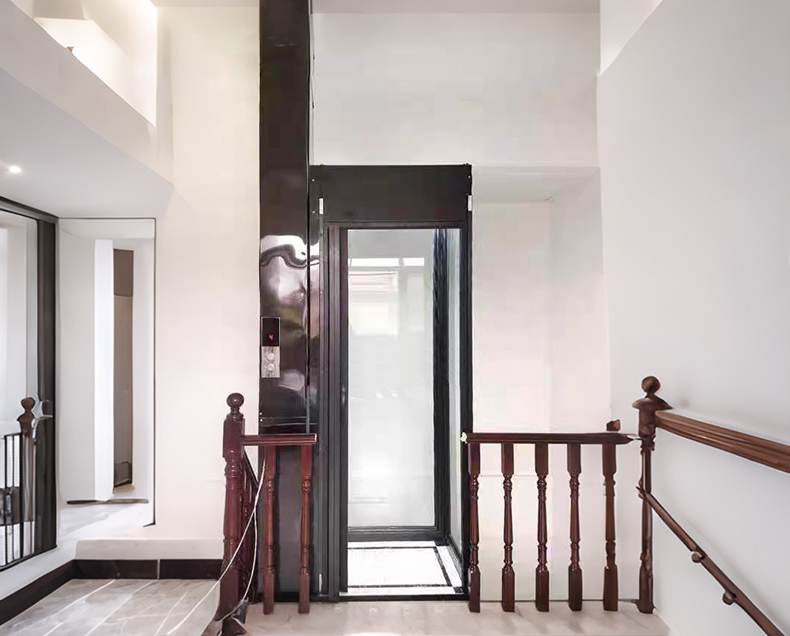
Tiny elevator types you’ll actually find
1. Pneumatic (vacuum) elevators — the smallest circular footprint
Pneumatic vacuum elevators are tubular, clear-wall lifts with compact diameters. Manufacturers market 30-inch (≈75 cm) exterior / ~24–30-inch internal cabin models as “single-person” elevators. For example, the PVE30 model is described as a single-passenger vacuum elevator with an exterior diameter of about 30 inches and a capacity intended for one person; manufacturers often present the PVE30 as one of the world’s smallest residential lifts. (See the PVE product page for specs.)
2. “Through-floor” or platform lifts — shallow cutout, small footprint
Through-floor lifts (sometimes called dumbwaiter-style or Telecab-style lifts) can require a small floor cut-out and provide a compact solution for single-person use. Some through-floor units can work in a floor opening as small as 36 in × 60 in (approx.) depending on model. Manufacturer/spec pages and product FAQs are the best place to check exact cut-out requirements.
-
Example manufacturer notes for through-floor/Telecab style: Skystair minimum cut-out info. https://www.cneasylift.com
3. Small traditional cab elevators — compact rectangular cabs
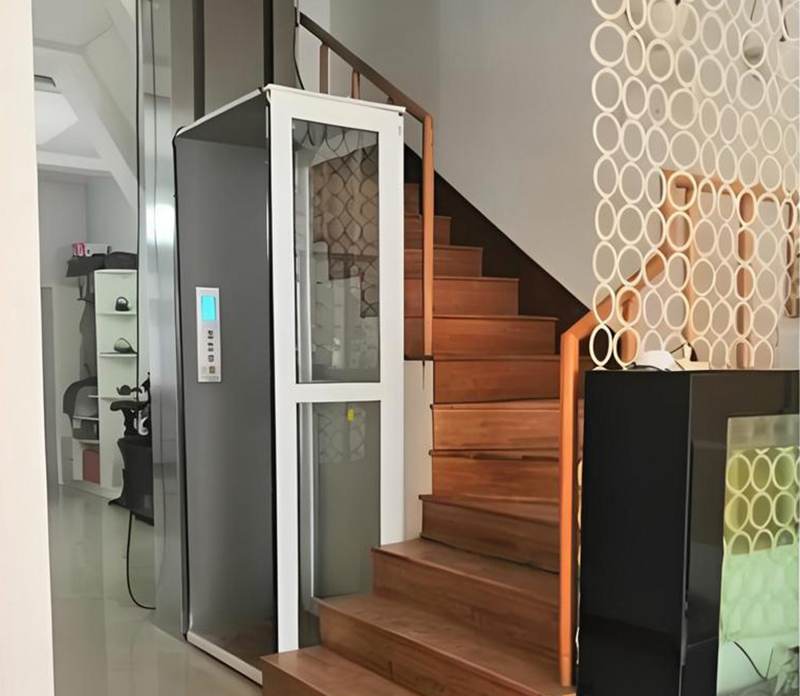
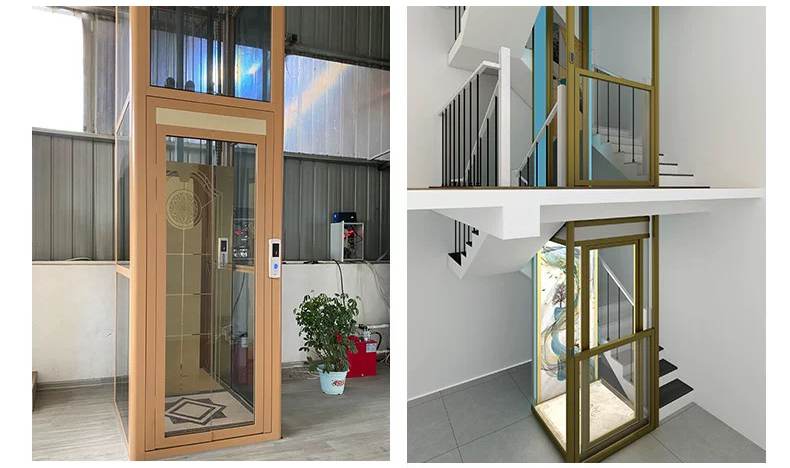
Some residential traction or hydraulic elevators are offered in compact cab sizes — for instance 3′ × 3′ (36″ × 36″) or 3′ × 4′ (36″ × 48″) cab options. These are larger than the smallest vacuum lifts but still quite compact compared with commercial elevators. Many residential elevators are constrained by pit depth, overhead clearance, and shaft requirements. See manufacturer spec sheets for the “Infinity” and “Eclipse” series for typical compact sizes.
-
Skylift and other residential product pages: https://www.skyliftcc.com/product/home-elevator-lift/
Code & safety limits you must consider (why “smallest” isn’t only about inches)
Even if a supplier advertises a very small car, local and national codes can affect what’s allowed in your home:
-
ASME A17.1 / A18.1 (residential/private elevator standards) and state adoption influence allowable cab sizes, pit depth, and clearances. Many jurisdictions reference ASME rules for private residence elevators. (See ASME references and state guidance.)
-
Example ASME guidance references (state board PDF): https://boards.bsd.dli.mt.gov/Portals/133/Documents/elp/dli-bsd-elp005.pdf
-
-
Accessibility/capacity requirements: If you must serve wheelchair users (e.g., multifamily/common areas), ADA or ICC/ANSI minimum dimensions apply. The U.S. Access Board provides elevator guidance and minimum car dimensions used in accessibility standards (36″×48″ is a commonly referenced inside-dimension for private residence elevator guidance where applicable).
-
U.S. Access Board elevator guidance (ADA-related): https://www.access-board.gov/ada/guides/chapter-4-elevators-and-platform-lifts/
-
ADA Standards PDF (useful reference): https://www.access-board.gov/files/ada/guides/elevators.pdf
-
-
State residential elevator rules and practical limits: Some states or local authorities publish checklists for residential elevators; for example, Georgia’s contractor checklist mentions that inside clear area of a residential elevator shall not exceed 15 square feet in some rule sets (ASME rules referenced). Always confirm with your local building department.
-
Georgia contractor checklist (example): https://oci.georgia.gov/document/document/contractor-checklist-residential-elevators/download
-
-
University/higher-ed building standards also provide useful technical specs for designers (pit, overhead, car interior), which help quantify real constraints: see university master-spec documents for elevator interior dimension guidance.
-
University of Michigan elevator master spec (example): https://umaec.umich.edu/for.archs/masterspec/14/MS142423.pdf
-
Practical considerations before choosing the smallest unit
-
-
Who will use it? If you need wheelchair accessibility, small single-person vacuum lifts are usually not suitable. If only one ambulatory person will use it, vacuum lifts can be a great space saver.
-
Load capacity & comfort. Tiny lifts often accommodate 1 person + a small load (typical rated capacities of 300–400 lb for smallest vacuum models). Check rated capacity against your needs.
-
Installation constraints. Vacuum lifts require clear vertical shaft and overhead; through-floor lifts need a safe cut-out and pit/landing considerations. Traditional elevators have pit and overhead clearance requirements. Manufacturer spec sheets list these minimums.
-
Codes & permits. Always verify local code requirements and permit process — your local building department will confirm whether a given model and its dimensions meet local adoption of national standards.
-
Service, maintenance, resale. Smaller, specialized models may require manufacturer service; consider local dealer support.
Bottom line
If your top priority is the absolute smallest footprint for a single person, a pneumatic vacuum elevator (e.g., PVE30, ~30-inch exterior diameter) is one of the smallest widely marketed solutions. If you need a tiny rectangular cut-out rather than a cylinder, a through-floor lift or very small “telecab” may fit into a 36″ × ~60″ opening depending on model. However, codes, accessibility needs, capacity, and installation constraints often set the real minimum — so start with manufacturer spec sheets (for exact dimensions) and confirm with your local building department and an experienced local dealer/installer.